
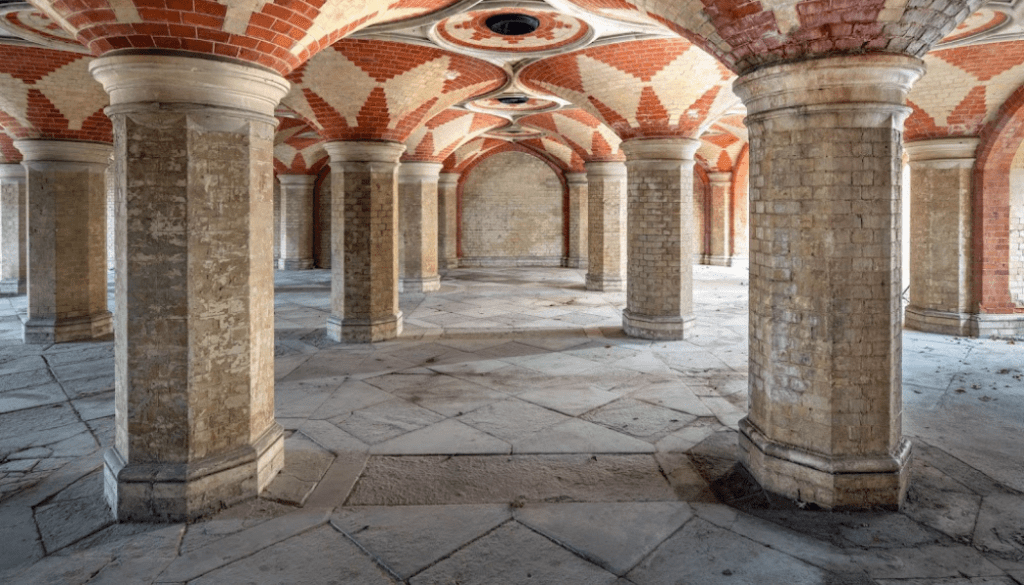
Tucked beneath Crystal Palace Parade lies a hidden marvel of Victorian engineering. The Crystal Palace Subway.
Once a grand entrance for first-class passengers arriving to visit the relocated Crystal Palace, this subterranean vestibule now stands as a poetic echo of a vanished era.
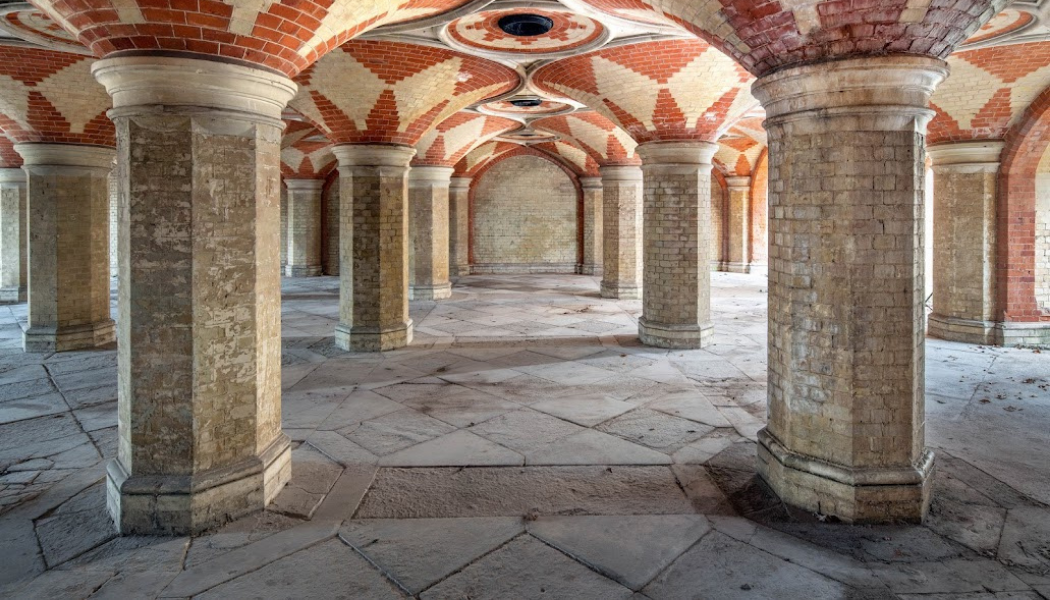
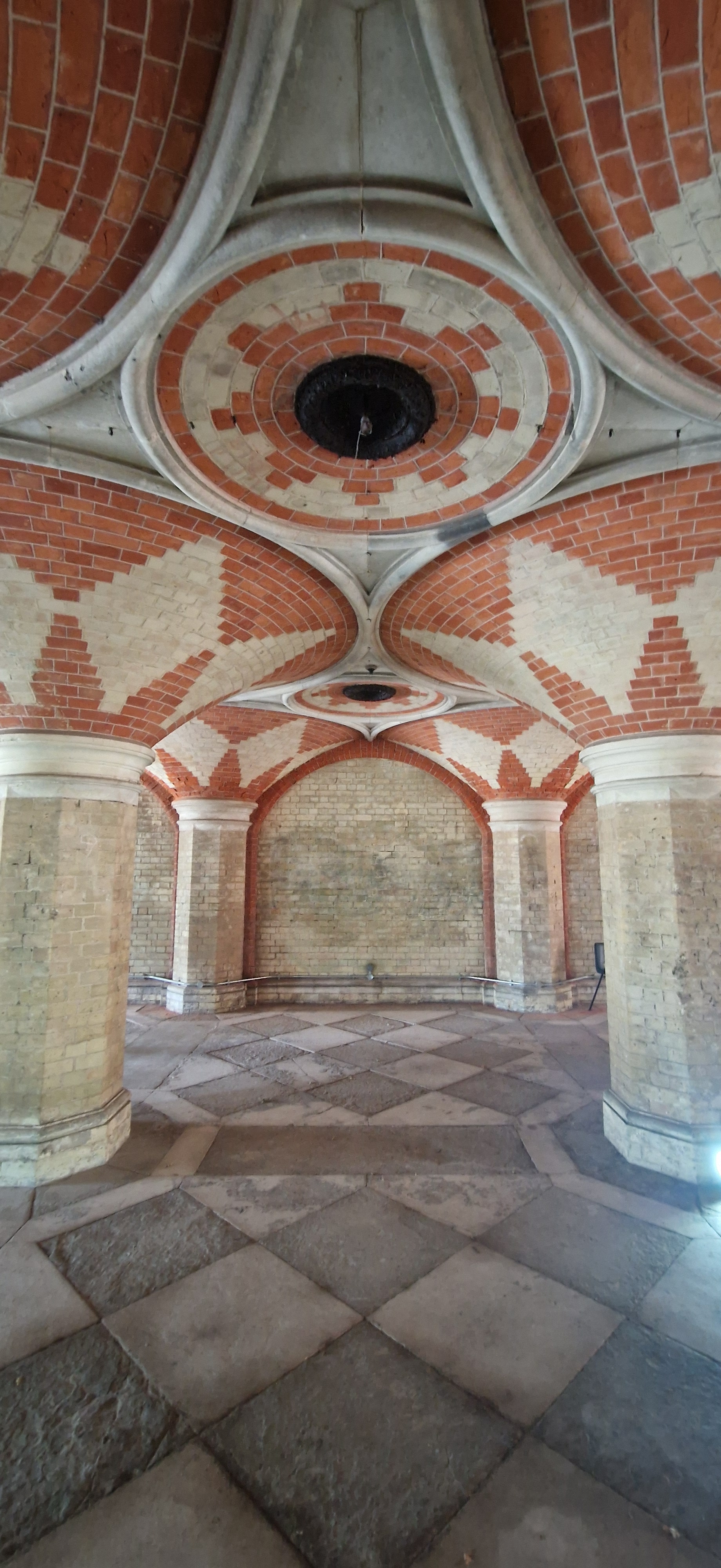
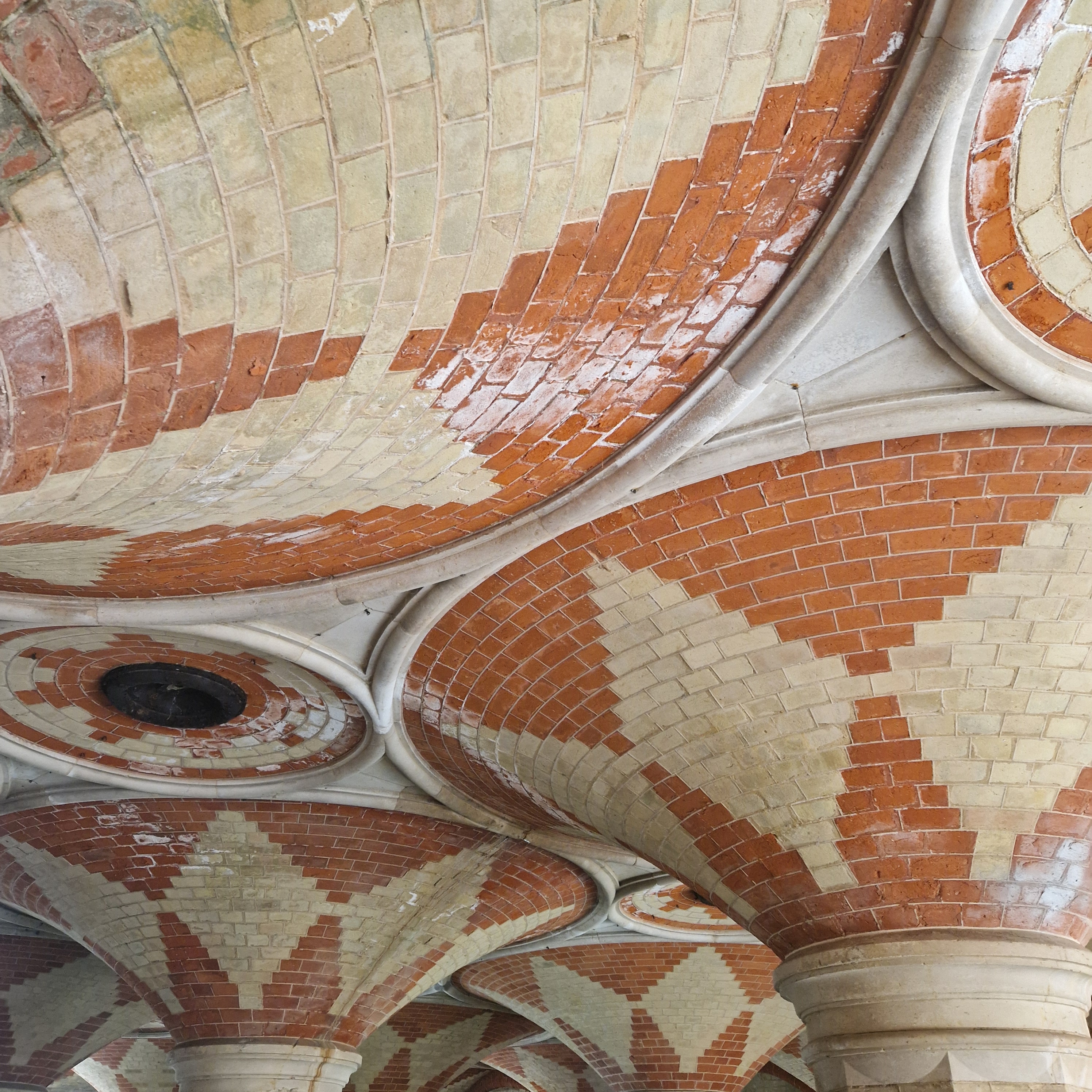
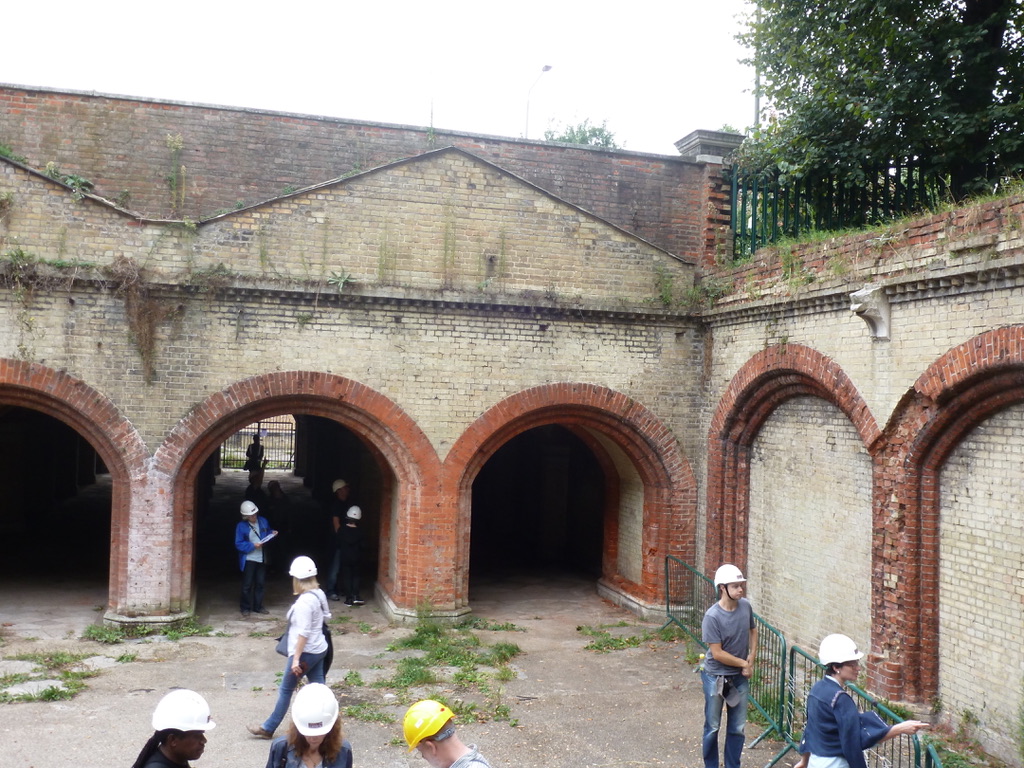
I first stepped into the Crystal Palace Subway in 2014, during Open House, London’s annual architecture festival where buildings and spaces normally closed off to the public open their doors for a long weekend.
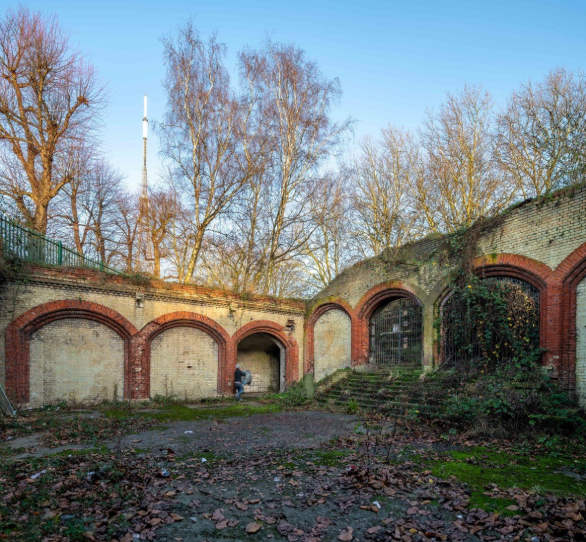
Access was limited: hard hats, sign-in sheets, a guided path. But even with the formalities, it felt like you weren’t supposed to be there. The air was damp, the brickwork stained and flaking. Trees pressed in from above, and the entrance was half-swallowed by overgrowth.
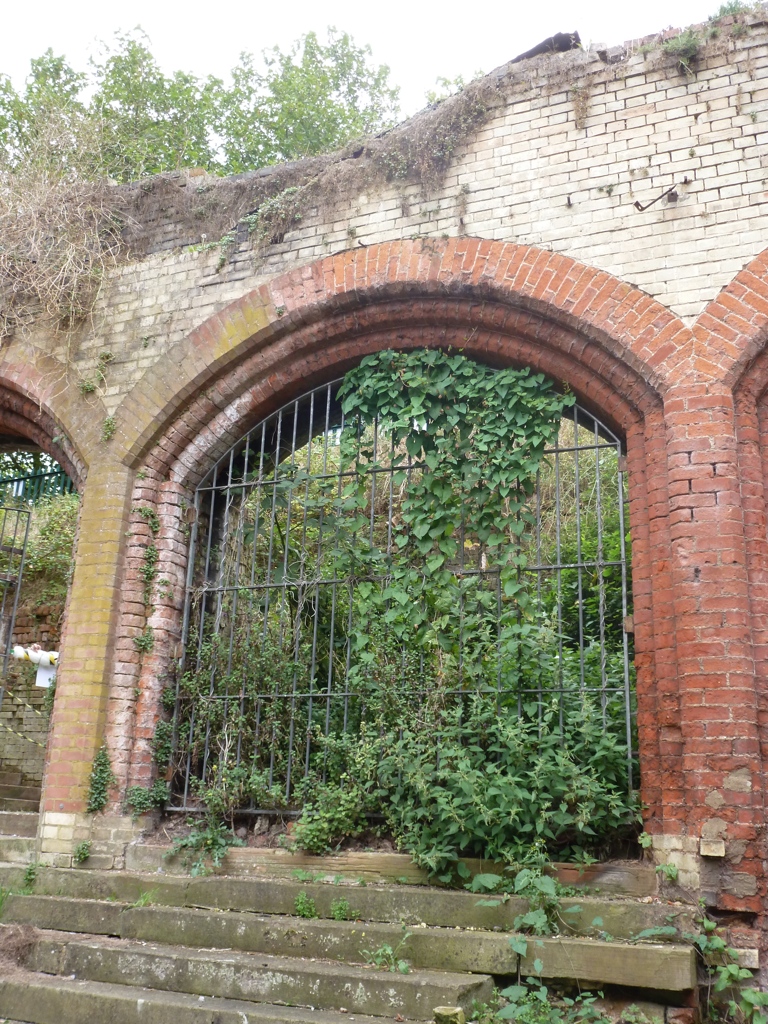
Inside, the vaulted ceiling stretched out like a forgotten tunnel. It was quiet, eerie, and strangely thrilling. Like you’d slipped through a crack in the city and found something it hadn’t meant to show you. The cars drove above, their drivers completely unaware that beneath them were the abandoned remains of a beautiful bygone era.
It was clear that restoration was needed if it was going to survive much longer, but also that the bones of something remarkable were still very much intact.
Origins and Architecture
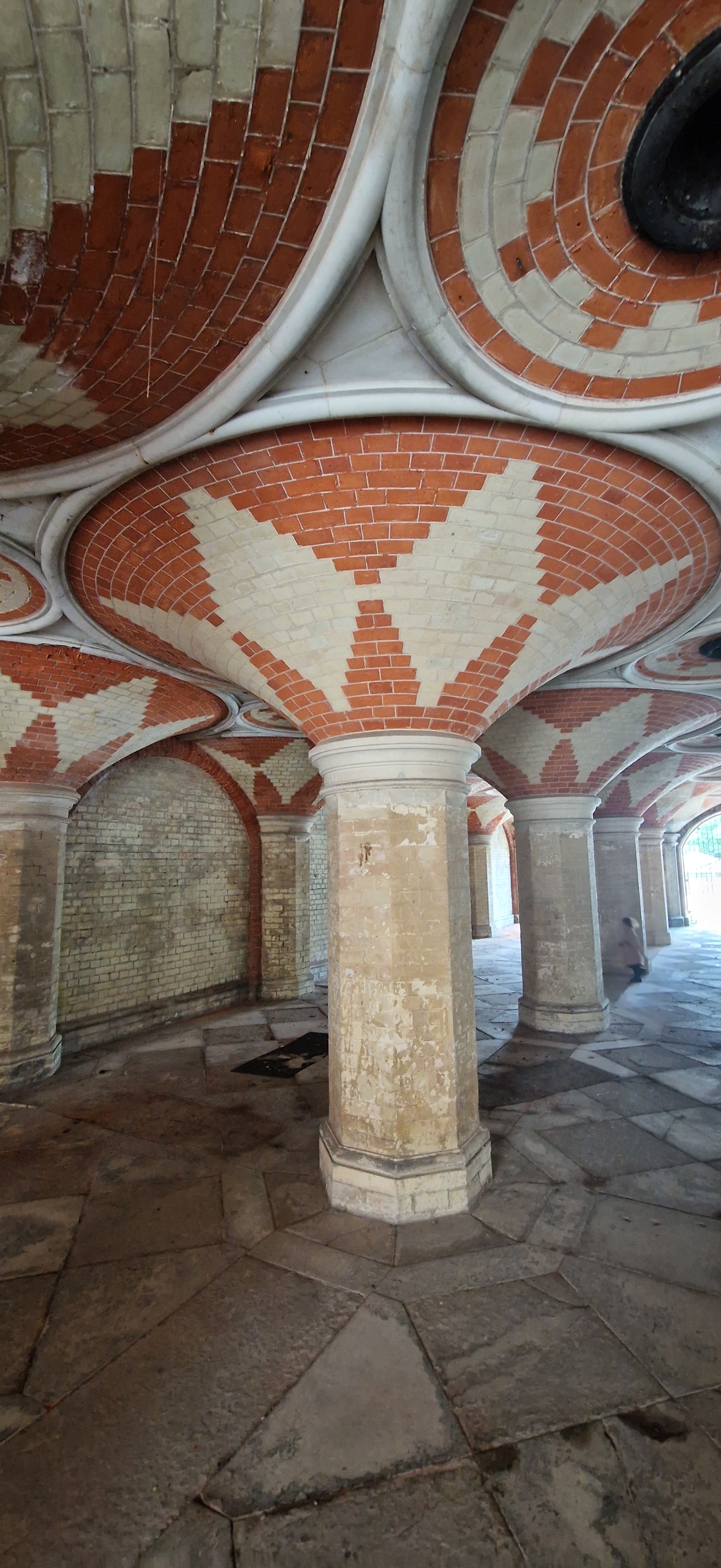
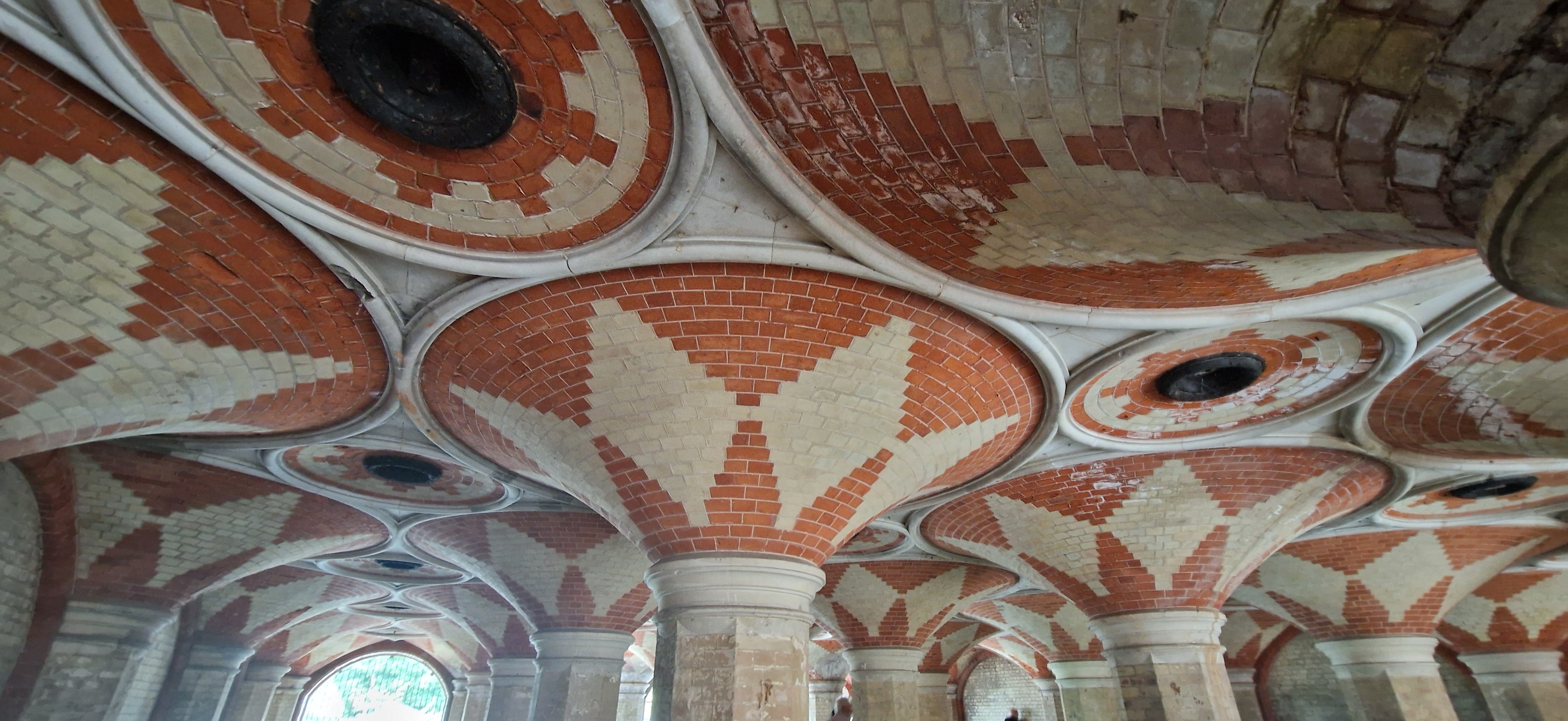
Designed by Charles Barry Jr., the subway opened in 1865 . Crafted with arches of colored brick and stone, the subway led passengers through a glass-and-iron vestibule into the Palace grounds.
The design was meant to evoke awe – a ceremonial threshold into the world of innovation and spectacle that the Crystal Palace embodied.
Even now, 160 years on, it isn’t hard to imagine that the Victorians got their wish.
If visitors today are struck by the beauty of the space, its damp arches, its crumbling brickwork, the strange elegance that clings to its decay then those first-class passengers arriving in 1865 must have been truly astonished.
The subway was never just a passage; it was a statement. And even in ruin, it still knows how to impress.
Loss and Survival
The Crystal Palace itself was tragically destroyed by fire in 1936, but the subway endured. For decades, it remained sealed off, its beauty hidden, its purpose forgotten by the public, other than by a few petitioning for the Subway to be saved.
Crystal Palace Park itself is a funnily old place. It’s full of remnants. Paths that lead to nowhere, gates that protect nothing, statues marooned in overgrowth. The layout feels like a puzzle missing half its pieces, as if the grandeur of the original Palace left behind a blueprint that no longer makes sense.
There’s beauty in that confusion, though. The park doesn’t try to explain itself. It just exists, scattered and surreal, like a dream half-remembered.
Restoration and Rebirth
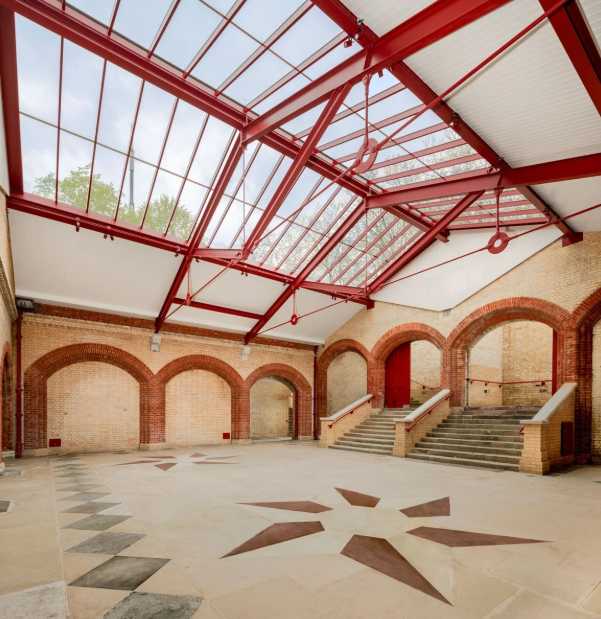
Restoration plans for the Crystal Palace Subway were formally approved in 2021, as part of Bromley Council’s £52 million Regeneration Plan for Crystal Palace Park. The project included a new roof, structural repairs, and conservation of its intricate brickwork.
This broader initiative included not only the subway’s refurbishment but also future phases like restoring the Italian terraces and the Grade I-listed dinosaur sculptures.
In 2024, a major restoration was completed to mark the 160th anniversary which brings us to now.
As part of the Open House 2025 festival, I went back to the Crystal Palace Subway, 11-years after I first descended into this beautiful forgotten time-capsule.
The space is undeniably cleaner, safer, more accessible, but something essential has gone missing.
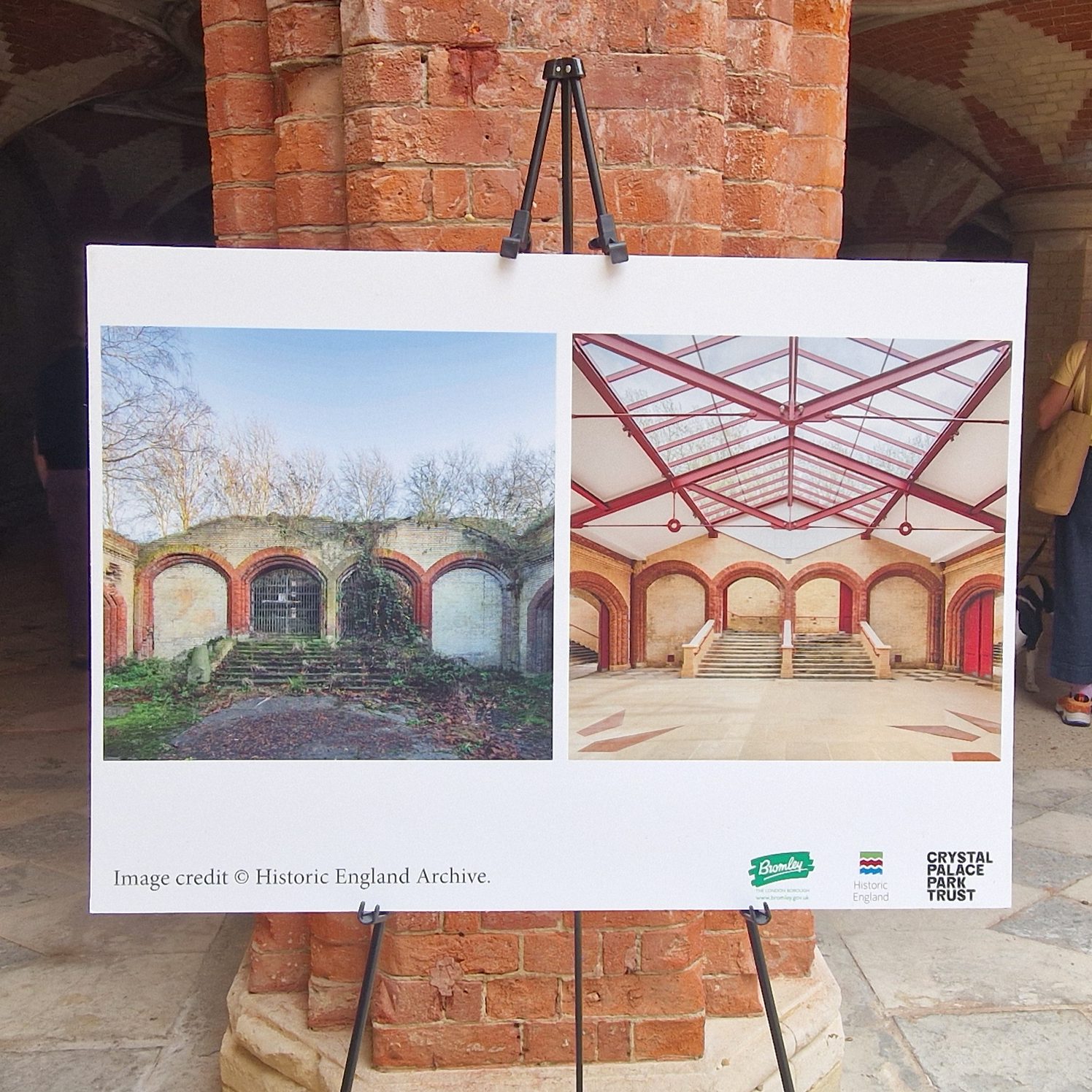
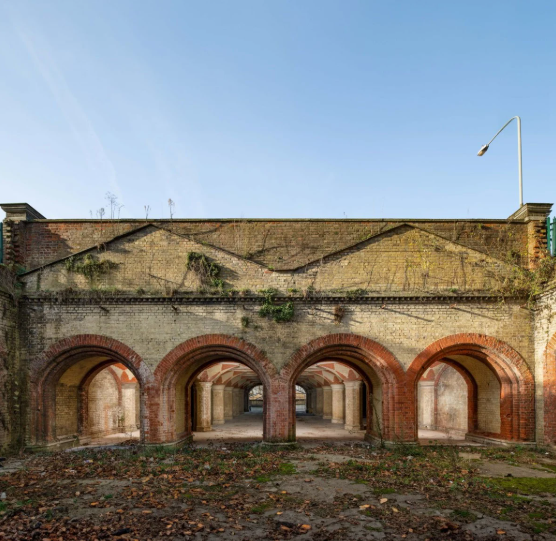
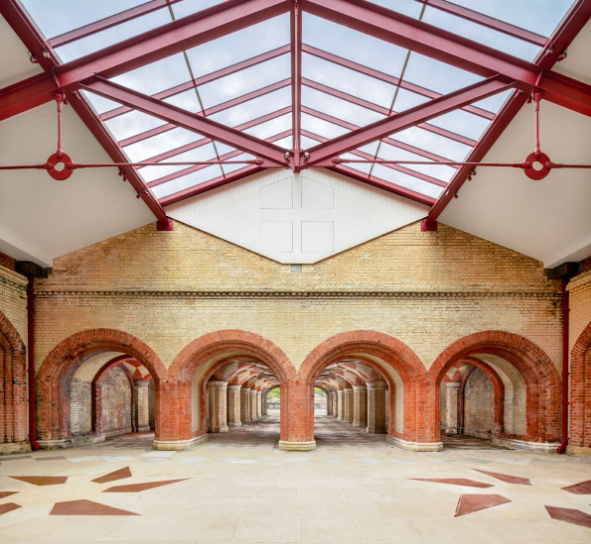
In 2014, it felt like a secret unearthed: overgrown trees, crumbling edges, the sense that you’d slipped into a place not meant to be found. It was eerie, atmospheric, and slightly illicit. You could close your eyes and imagine the Victorians in their fine clothes gasping at the beauty above them as they promenaded toward the Palace.
Now, with fresh paint and curated signage, it feels more like a set piece. Children run through the arches screaming, with no care or contemplation for where they are—or what it means. ‘Content creators’ snap their selfies, quickly moving on to the next backdrop. The space still echoes, but it’s a different kind of noise.
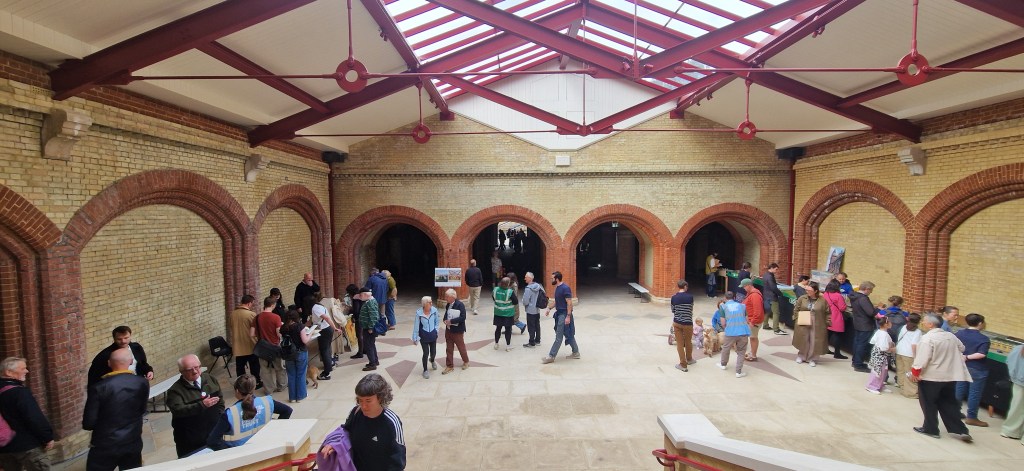
The history is still there, technically, but it no longer lingers. It’s the same feeling you get at the Tower of London. Centuries of stories reduced to a surface experience. The air smells of fresh paint and restoration, not time.
That being said, it’s still beautiful. And its restoration, however sterilising, is a necessary evil, preserving more than just memory. It ensures the structure endures, even if the atmosphere doesn’t. Perhaps that’s the trade-off: visibility over mystery, access over awe.







 House of Solitude
Leave a comment