
The British weather truly outdid itself this weekend. If you enjoy being physically assaulted by horizontal rain and winds that will literally sweep you off your feet, then by all means, book your flights. January didn’t so much end as get forcibly pressure‑washed off the pavement.
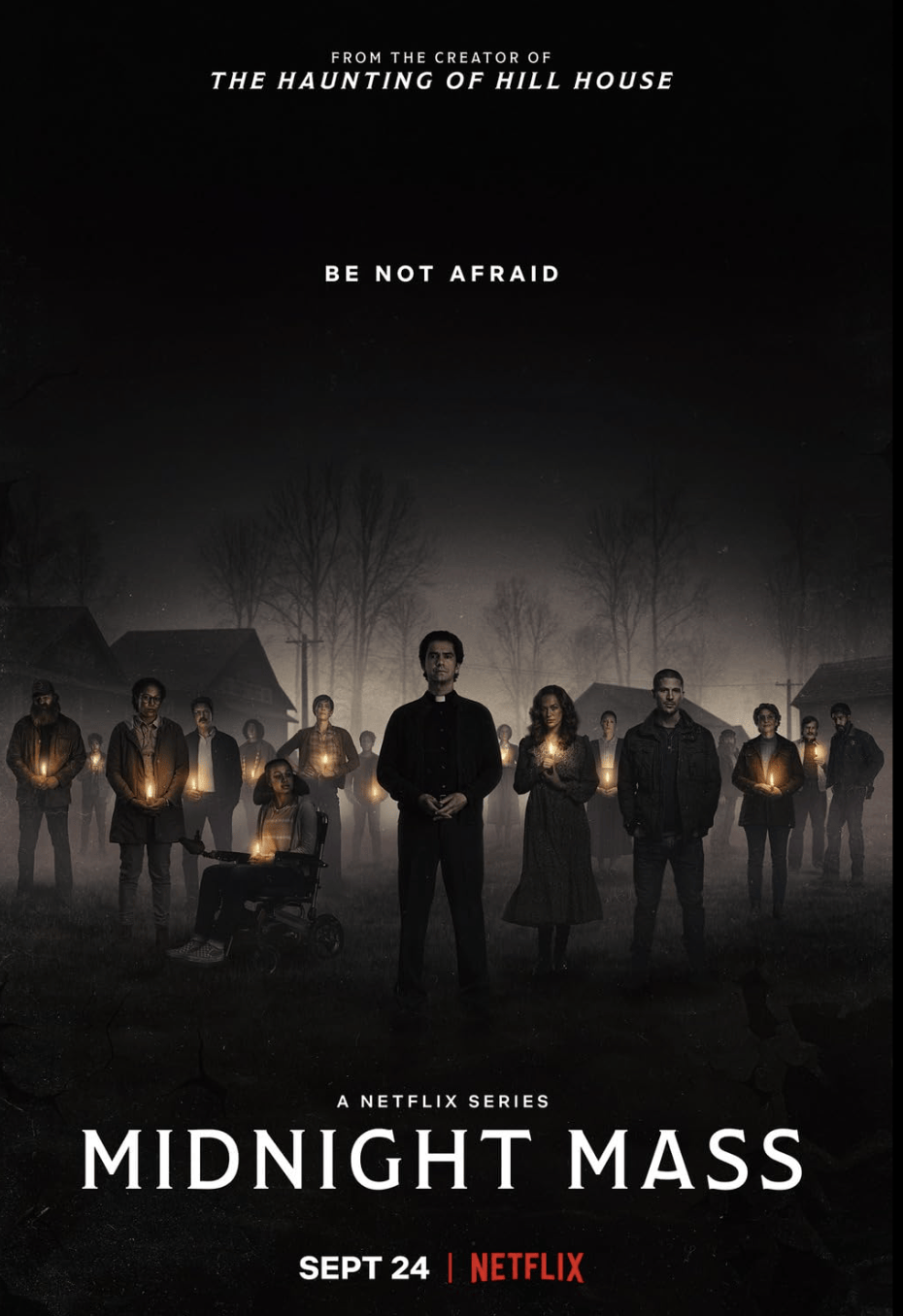
Naturally, this left us indoors. Fire roaring and making aggressive use of Netflix’s secret horror codes. If the weather insists on being theatrical, we may as well get into the spirit.
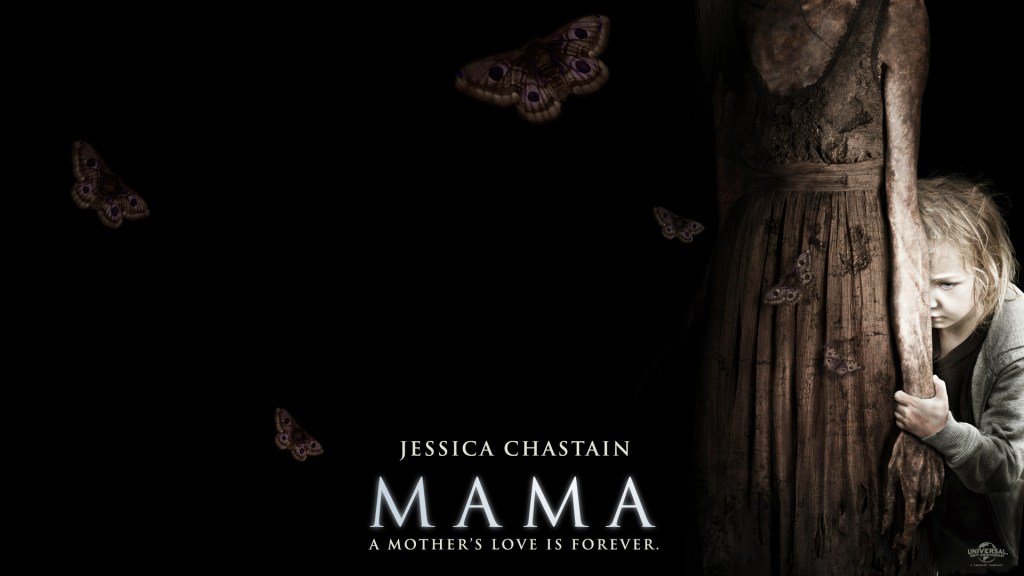
Which leads us nicely onto Mama. A 2013 supernatural horror directed by Andy Muschietti (back when he was still making small, feral ghost stories instead of billion‑dollar clown franchises). It’s his feature debut, expanded from a short film he made with his sister, Barbara Muschietti, who also produced. The whole thing has that early‑career energy; scrappy, atmospheric, and just earnest enough to get under your skin.
The cast is unexpectedly stacked for a film about children raised by something that definitely isn’t on any social services register. Jessica Chastain turns up in her punk‑goth phase, and Nikolaj Coster‑Waldau gets to navigate complicated family dynamics without any incestuous sibling relationships for once. A refreshing professional pivot.
At its core, Mama is a story about two young sisters who survive five years alone in the woods. Or rather, not alone at all. When they’re finally found and brought back into civilisation (a term we’re using generously), it becomes clear they didn’t return empty‑handed. Something followed them home. Something maternal. Something with opinions.
The film balances its supernatural thread with a surprisingly grounded custody battle, psychiatric evaluations, and the kind of institutional shrugging that feels uniquely modern. Everyone wants what’s “best for the children,” though no one can quite agree on what that means when the children in question have been raised by… whatever that was.
And then there’s the archive scene. The one that feels like it wandered in from a different, better horror film. A moment of quiet, administrative dread that says more about the world of Mama than any jump scare ever could.
“Welcome to Aisle 17 Doctor. Every archive has one. A lost and found of things people don’t want to find. Twenty years ago, when they moved the Clifton Forge cemetery, some of the oldest, smallest remains were not claimed by their relatives. They were sent here to be filed. I’m not a religious person, but I do believe there’s a place for human remains and it’s not on a shelf in a government building. Do you believe in ghosts?”
He Replies:
“I can’t say that I do”.
She continues:
“When a corpse is left out, the elements whither it, desiccate it, twisting it into a distorted figure that’s barely recognisable as a human being. A ghost is an emotion bent out of shape, condemned to repeat itself time and time again, until it rights the wrong that was done”.
She hands him a small box.
“What’s this?”
Her answer is simple:
“The wrong”.
What Mama does best is remind us that horror doesn’t always need teeth or shadows (granted this one does have a bit of both). Rather, sometimes it’s a shelf. A label. A box handed over with the kind of calm professionalism that suggests this is not the strangest thing that’s happened before lunch.
It’s the collision of the supernatural with the administrative that gives the film its real texture. The idea that grief can be catalogued. That love can be misfiled. That the past can sit quietly in storage until someone, inevitably, opens the wrong drawer. Mama isn’t trying to terrify you; it’s more interested in unsettling you in the way a misplaced document or a locked cabinet might. A haunting disguised as paperwork.
And that’s exactly why it works.
No spoilers here, just a gentle recommendation. Mama won’t shake you to your core or have you sleeping with the lights on, but for a rainy Sunday afternoon, with the weather throwing a tantrum outside and the fire doing its best inside, it’s a solid choice. Atmospheric, strange, and quietly sad in all the right places.
We’re not huge fans of the trailer; it leans into jump‑scares and shouting, which isn’t really what the film is doing. It sells to the masses rather than the quiet dread that makes Mama so special.
Other than the trailer, The House approves.


Leave a Reply