
The House of Solitude isn’t rushing towards Christmas. We’re still tethered to Halloween’s shadow, holding onto the last scraps of darkness before before December’s glitter seeps into the foundations and mingles with the dust. Call it denial – or just good taste before the season turns obnoxiously bright.
Quiet Horror & Mystery Games to Explore, Curated by the House
Here is a mini-list of gaming oddities to hold-off the fast approaching festivities a little longer.
These aren’t newly released titles – the Housekeeper is already sweeping the dust off those particular oddities to share in January. For now, these are merely curiosities to keep the spirits of All Hallows’ Eve alive a little longer.
If you’ve endured the isolation of any of these oddities, the House permits applause. Not for joy, but simply to acknowledge your survival.
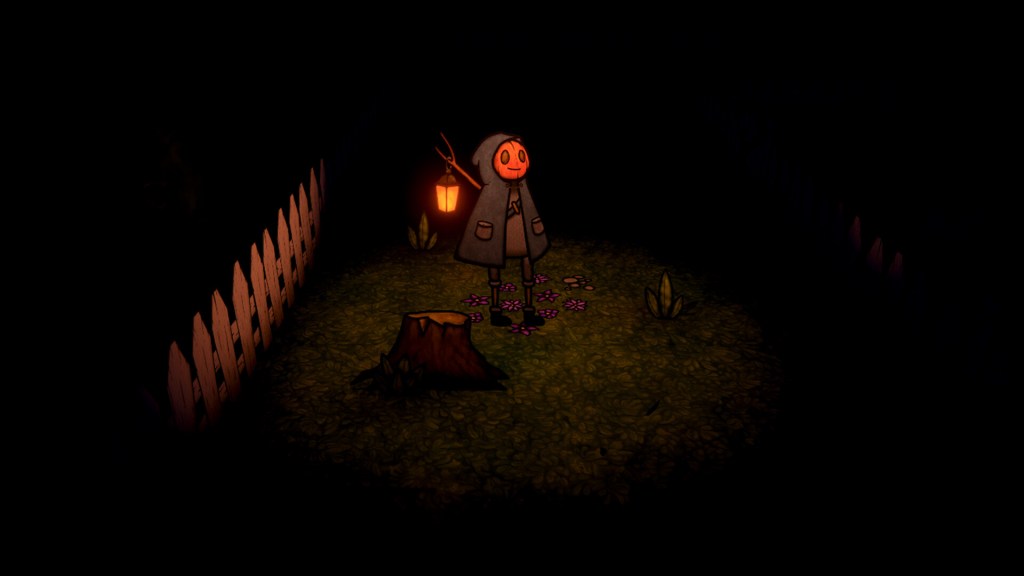
Pumpkin Panic
At first glance Pumpkin Panic looks like a cosy farming sim, but it quickly reveals itself as a quiet horror oddity.
It looks like a children’s craft project. Paper‑cut charm and sweet little pumpkins. You tend your farm, fish in the pond, and wander the woods, only to discover the routine twists into survival. Strange creatures stalk the edges, and the cozy veneer peels back to reveal something darker. It won’t take over your life, most players finish in under an hour but it will linger longer than it should. Less about harvest, more about realizing even the sweetest things can rot.
Available on: Windows (Steam, Itch.io)
The Cabin Factory
A game about inspecting cabins to see if they’re haunted. Spoiler: they usually are. It’s basically Airbnb with ghosts, except you don’t get a refund when the walls start breathing. Two hours of wandering through wooden huts, second‑guessing every creak. A haunting dressed up as quality control. Exactly the kind of pointless vigilance the House of Solitude would endorse.
Available on: Windows (Steam), Nintendo Switch, PlayStation 4 & 5, Xbox One, Xbox Series X|S
Silent Hill 2 (2024 Remake)
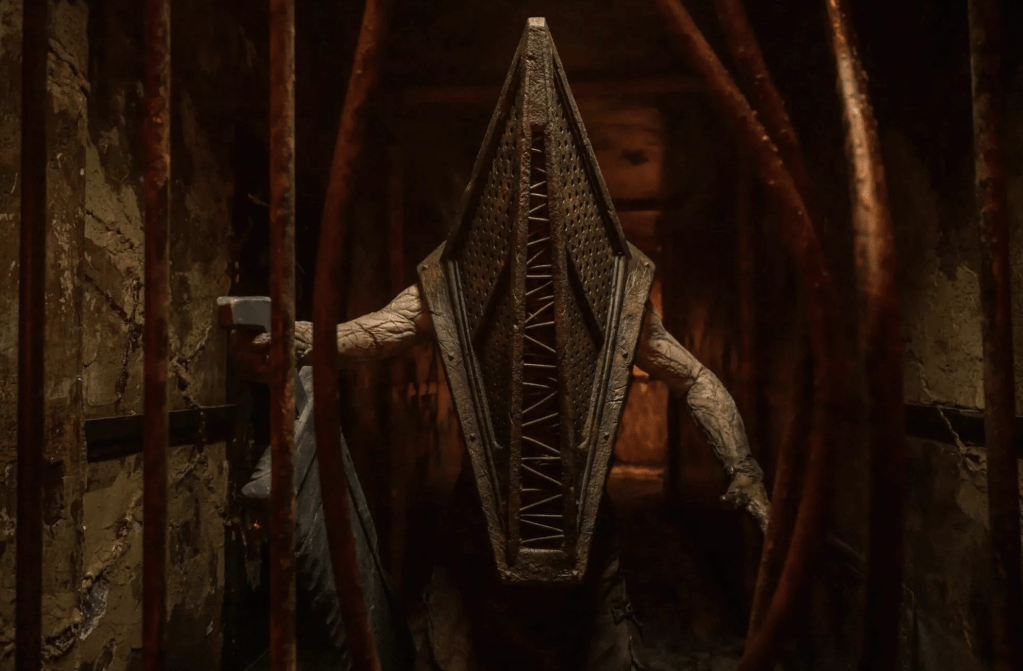
It’s not quite as quiet as we’d expect our resident curiosities to be – with its violent, slasher‑like moments. But, given it’s abundance of psychological weight and fog‑soaked atmosphere, we’ll allow it.
The sequel that doesn’t bother continuing the first game’s plot. Instead, you play James Sunderland, who receives a letter from his wife – inconveniently dead for three years. Cue fog‑choked streets, a guilt‑ridden storyline, and monsters that look like your subconscious had a breakdown.
Less about fighting, more about regretting your life choices in grayscale.
Available on: PlayStation 5 and Windows (Steam)
Gone Home
It’s not technically horror, but wandering through an empty house at night is unnerving enough.
Set in 1995, you return from abroad to find your family gone, wandering through an empty Oregon home and piecing together your sister’s secret romance from notes, tapes, and discarded clues.
The silence is heavy, the house feels haunted, and the ghosts are only memories. Less about jump scares, more about realizing absence can be louder than presence.
Available on: Windows, macOS, Linux, PlayStation 4, Xbox One, Nintendo Switch, iOS
Layers of Fear
It’s horror disguised as creativity – less blood, more brushstrokes, and far too much self‑importance.
A first-person walking sim – you play as a tormented painter wandering a Victorian mansion, trying to finish his “masterpiece” while the house bends, melts, and generally refuses to cooperate.
Corridors loop, paintings scream, and reality blurs into one long gallery of bad decisions. Like the House of Solitude, this mansion isn’t a home so much as a mirror – except here it’s the kind of mirror that won’t stop reminding you you’re obsessed, pretentious, and probably not as talented as you thought.
Less about monsters, more about realizing the scariest thing in the room is your own ego with a paintbrush.
Available on: Windows, macOS, Linux, PlayStation 4, Xbox One, Nintendo Switch; reimagined 2023 edition on PlayStation 5, Xbox Series X|S, Windows
Little Nightmares III
Little Nightmares I & II set the stage with their beautifully grotesque horror disguised as a children’s picture‑book. Every frame unsettling, unnervingly quiet, and strangely beautiful.
Little Nightmares III drags that same macabre artistry into co‑op, so your childhood fears can be shared with a friend (if you have one). Alternatively, if solitude is your brand, with an AI companion instead.
You play as two new characters, Low and Alone, trapped within The Spiral – a cluster of disturbing places that make the Maw (from the first game) look almost welcoming. The artwork remains beautifully grotesque: every corridor and creature is macabre but magnetic, the kind of detail that makes you lean in closer, even as you recoil.
It’s a children’s nightmare, now with a shared silence.
Available on: Nintendo Switch, Nintendo Switch 2, PlayStation 4, PlayStation 5, Xbox One, Xbox Series X|S, Windows
The Cat Lady
It begins with Susan Ashworth. A lonely 40‑year‑old who decides she’s had enough. No family, no friends, just her cats – and an overdose of sleeping pills.
Instead of death, she wakes in an alternate world and meets the Queen of Maggots (yes, really), who grants her immortality and a mission: rid the world of five twisted human beings known as the Parasites.
The game unfolds as a side‑scrolling graphic adventure, played entirely with the arrow keys. It’s bleak, surreal, and often heartbreaking – but also darkly witty in its own way.
The horror isn’t in monsters, but in human cruelty, depression, and the fragile thread of survival. Like the House of Solitude, Susan’s world is less about ghosts than about the weight of memory and isolation. And yes, it’s heavy – but sometimes the only way to honor sadness is with a little sarcasm: immortality as punishment, cats as your only allies, and maggots as your spiritual guide.
Available on: Windows, Linux (Steam, GOG, Humble Store).
Still Wakes the Deep
Yes, we know. The House Keeper already found a full review in The Attic which has since been carefully moved to The Drawing Room. But it’s too good at making you feel like drowning in damp silence to leave off here. As far as the House is concerned, this is the gold standard of quiet horror. Consider this a repeat haunting
Available on: PlayStation 5, Xbox Series X|S, Windows PC (Steam, Epic Games Store)
Still Wakes the Deep – Sirens Rest
If we’re going to keep harping on about Still Wakes the Deep, we might as well mention the expansion. Siren’s Rest – the same tragedy, only underwater. Because apparently being trapped on an oil rig wasn’t isolating enough, now you get to drown in it too. Set 11 years after the original disaster, with a new cast poking around the wreck, it’s two hours of isolation. Exactly what you’d expect to find in the House of Solitude.
Available on: PlayStation 5, Xbox Series X|S, Windows PC (Steam, Epic Games Store)
What Remains of Edith Finch
It’s a family album disguised as a haunted house. Every room a shrine, every story an ending.
You play as Edith, the last Finch standing, wandering through a labyrinthine home in Washington state. Each bedroom, passage, and hidden nook unfolds into a vignette of how one relative met their end.
Sometimes whimsical, sometimes tragic, sometimes so surreal you wonder if the family architect was moonlighting as a magician. The house itself is the real character: stacked extensions, secret doors, and rooms preserved like glass cases in a museum of grief.
It’s less about ghosts than about memory, less about monsters than about realizing how easily stories end.
And yes, it’s sad – but in that strangely beautiful way where you almost forgive the melodrama because the storytelling is so precise.
Available on: Windows, PlayStation 4, PlayStation 5, Xbox One, Xbox Series X|S, Nintendo Switch, iOS
Curtain Call
Thus ends the procession of curiosities.
No new releases, no glitter, only the quiet horror of what lingers.
Curated from different years, dusted off and displayed not for novelty but for the way they echo the House’s obsessions. Randomness is its own kind of curation. Each oddity a room worth wandering, chosen to keep the spirits of All Hallows’ Eve alive a little longer.
The purpose was never to curate the “best” or the “latest,” but to assemble a survival kit of atmospheres: games that trap you in corridors, houses, oil rigs, and memories, each demanding endurance more than joy.
The Housekeeper will return in December with indulgence, but tonight the House closes its curtains.
Applause permitted. Survival acknowledged.




 House of Solitude
Leave a comment