
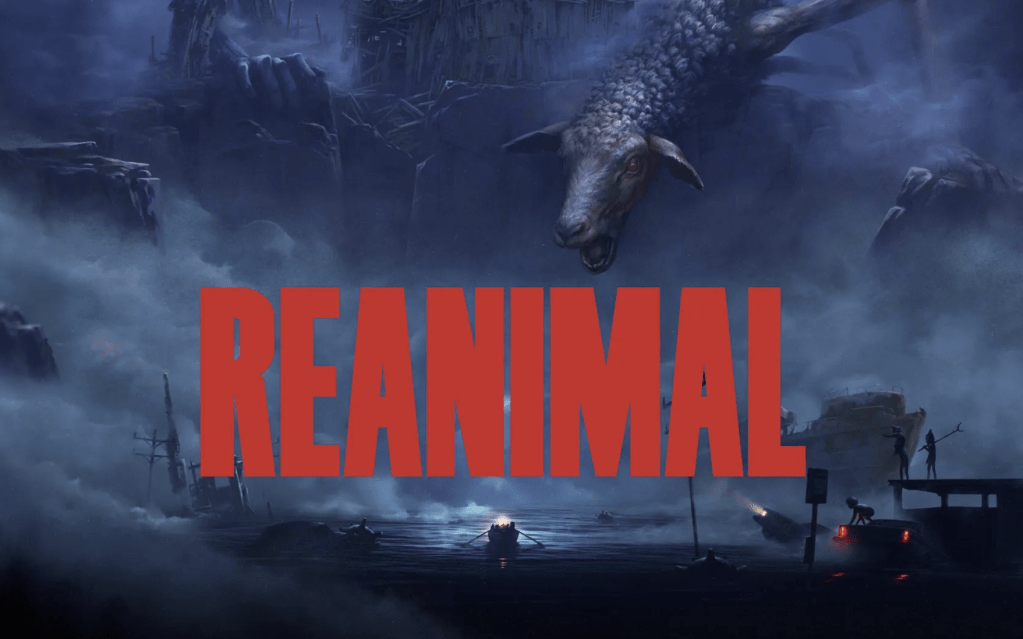
Every so often, a game appears that makes you squint at the screen and think, “Haven’t I been traumatised by this art style before?” Enter Reanimal.

It’s a game that looks suspiciously like Little Nightmares. But isn’t. Why? Because corporate IP law is a joyless swamp and nobody gets to keep the toys they actually made.
Still don’t get why isn’t this Little Nightmares 4?
Because the universe is petty.
Here’s the short version of the custody battle:
- Tarsier Studios created Little Nightmares 1 and 2
- Bandai Namco owns the Little Nightmares IP
- Tarsier was acquired by Embracer Group in 2019
- Bandai Namco kept the franchise and hired Supermassive Games to make LN3
So LN3 was made by the Until Dawn people, while Tarsier (the original creative brain) wandered off to make Reanimal (which is basically Little Nightmares wearing a trench coat and sunglasses, pretending not to be Little Nightmares).
Everyone knows.
We’re all politely pretending we don’t.
Story: Same Energy, Different Trauma
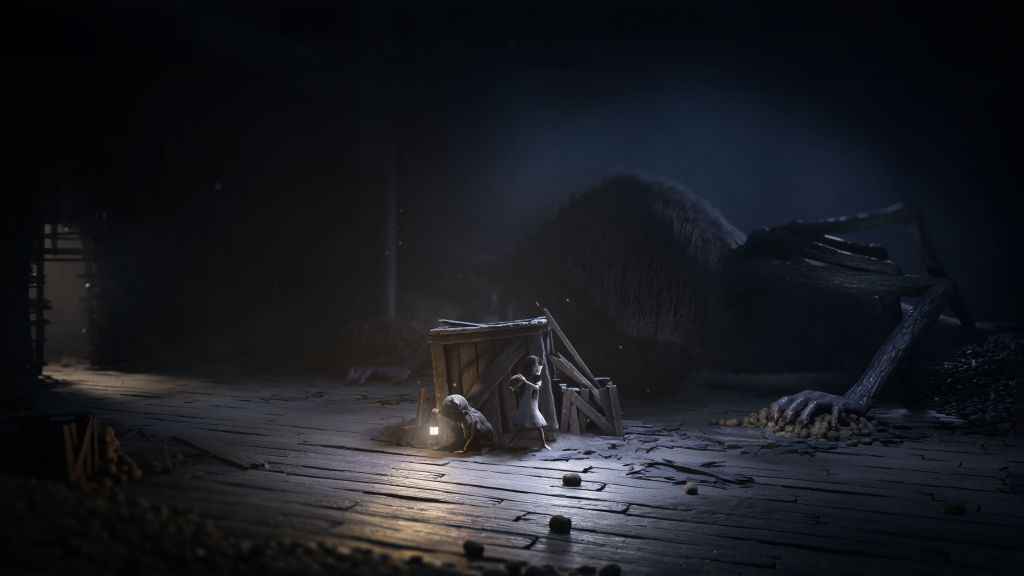
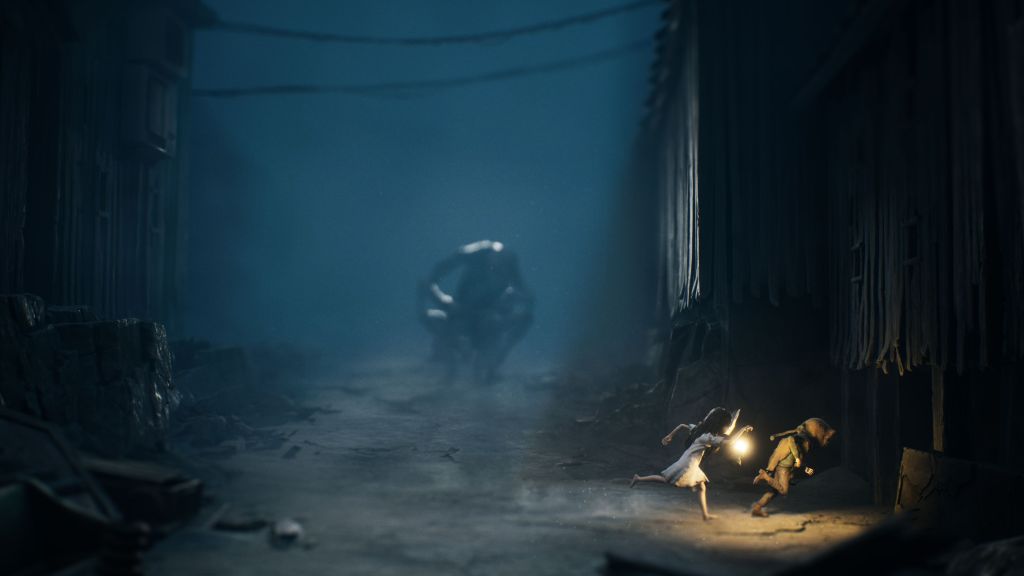
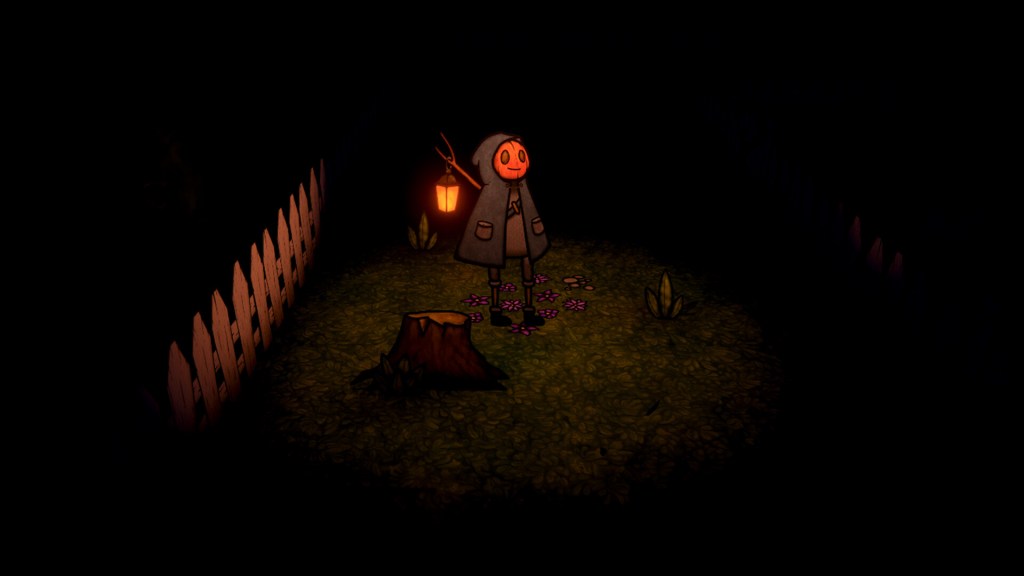
Reanimal follows a brother and sister wandering through a world that looks almost like home (if home had been left out in the rain and stitched back together by someone who didn’t fully understand the assignment).
It’s dream‑logic horror. The game leans into atmosphere over exposition, letting you piece together what’s happening while quietly judging you for thinking you ever had control in the first place. It’s unsettling, surreal, and emotionally heavy in that “I didn’t sign up for this but here we are” kind of way. No need for comparisons though, Reanimal is doing its own thing, and its thing is making you feel lost, small, and mildly concerned about how you ended up here.


Mechanics: Familiar Enough to Trigger Flashbacks
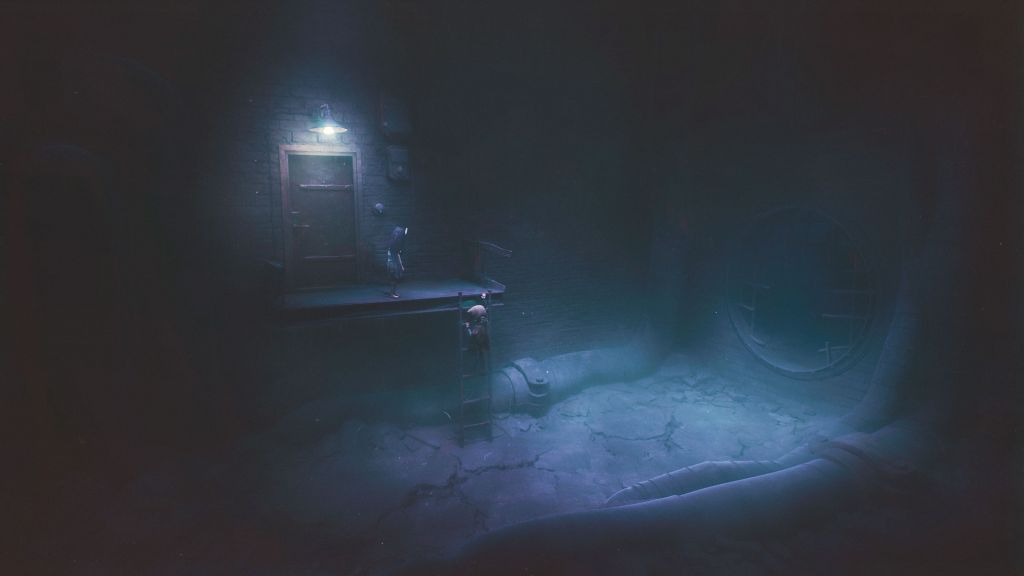
Reanimal plays exactly how you’d expect a Tarsier game to play: you’re small, the world is big, and everything in it seems vaguely annoyed that you exist. It’s a cinematic platformer built on quiet tension rather than button‑mashing, with a lot of creeping around, climbing over unsettling furniture, and solving environmental puzzles while trying not to make eye contact with whatever is lurking in the background.
The difference is mostly in the engine. Reanimal runs on Unreal Engine 5 (yes, we know LN3 did too, but this is Tarsier’s first time using it after Little Nightmares 2, so let them have their moment), which means everything is smoother, shinier, and just a touch more “I don’t like how that thing is looking at me.” The camera work is more dynamic, the environments are more open, and the whole experience feels like Tarsier finally got to stretch their legs.

Release Date, Platforms, and Other Mundane Realities
Reanimal arrived 13 February 2026, which is perfect timing if your idea of Valentine’s romance involves emotional damage, uncanny children, and creatures that look like they’ve crawled out of a damp cupboard.
It’s launching on PlayStation, Xbox, and PC, so no matter which plastic box you’ve committed your soul to, you’re covered.
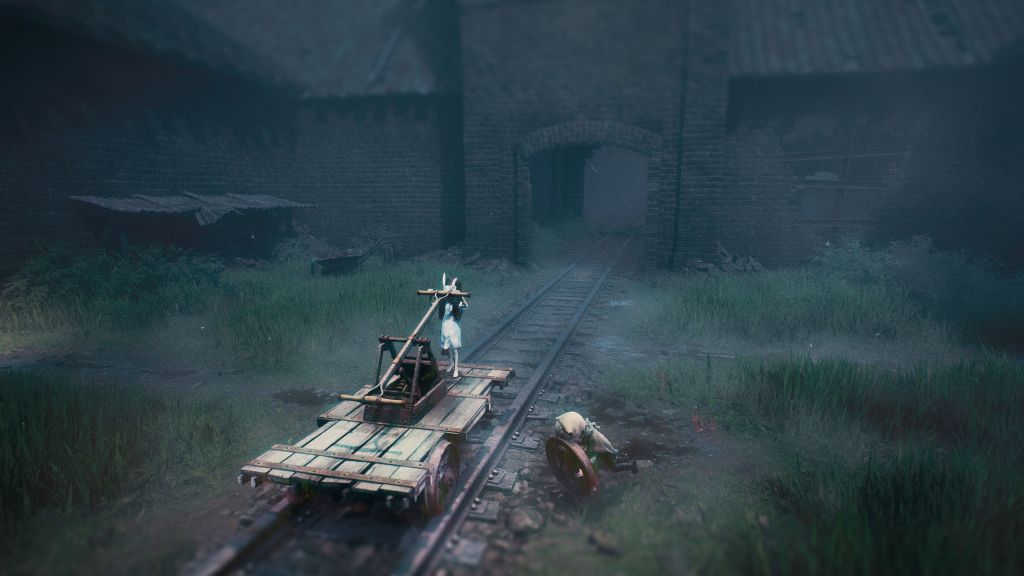
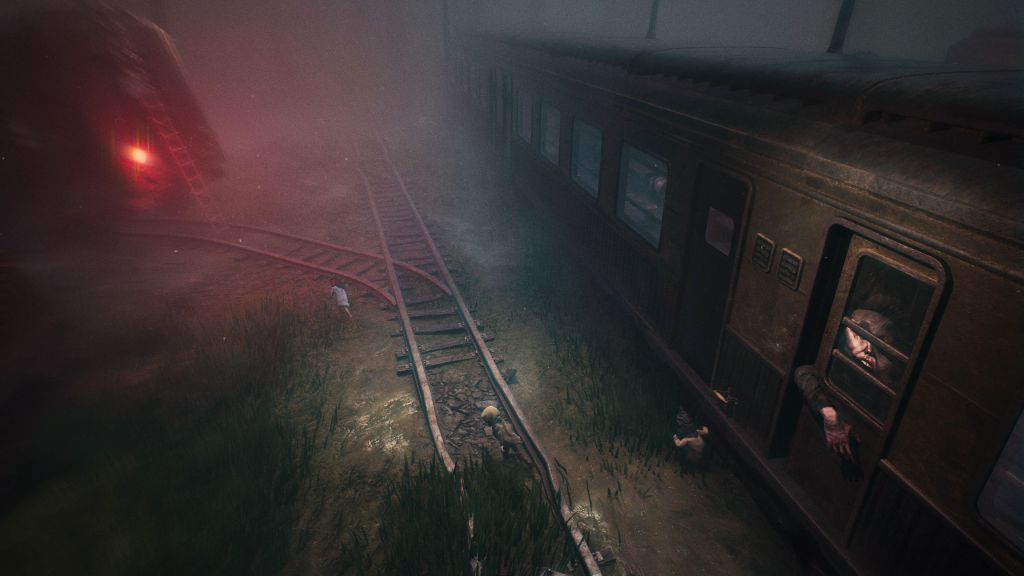
The game also includes co‑op, because nothing says “quality bonding experience” like navigating a surreal nightmare world with someone you trust just enough not to leave you behind when the tall thing starts moving. It’s designed so you can play solo or with a friend (assuming you have one).
As for cross‑play between PlayStation and Xbox: yes, it’s supported. Which means you and your co‑op partner don’t need to own the same console to suffer together. How modern. How thoughtful. How deeply unnecessary for a game that will almost certainly ruin your sleep schedule.
The House approves.












 House of Solitude
Leave a comment