
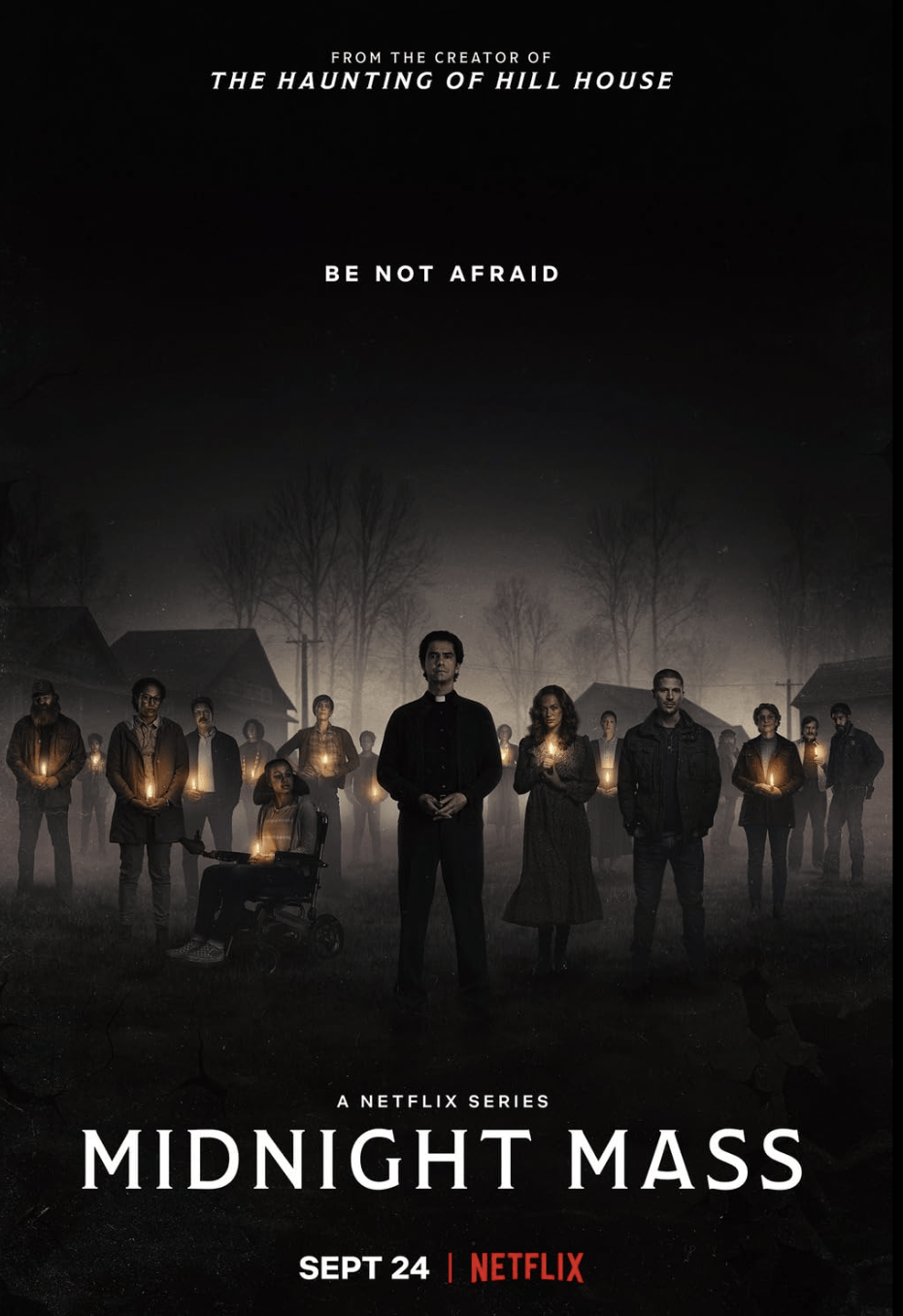
There’s a particular kind of haunting that doesn’t come from ghosts, demons, or things whispering in the walls. It comes from recognising an actor on screen, then spending the next twenty minutes mentally scrolling everything you’ve ever watched trying to work out from where, before finally giving in to consult the wonder‑web. It’s a very modern kind of possession.
This week, that haunting arrived courtesy of Saros, the newly released PlayStation exclusive and follow‑up to Returnal from the BAFTA‑winning studio Housemarque.
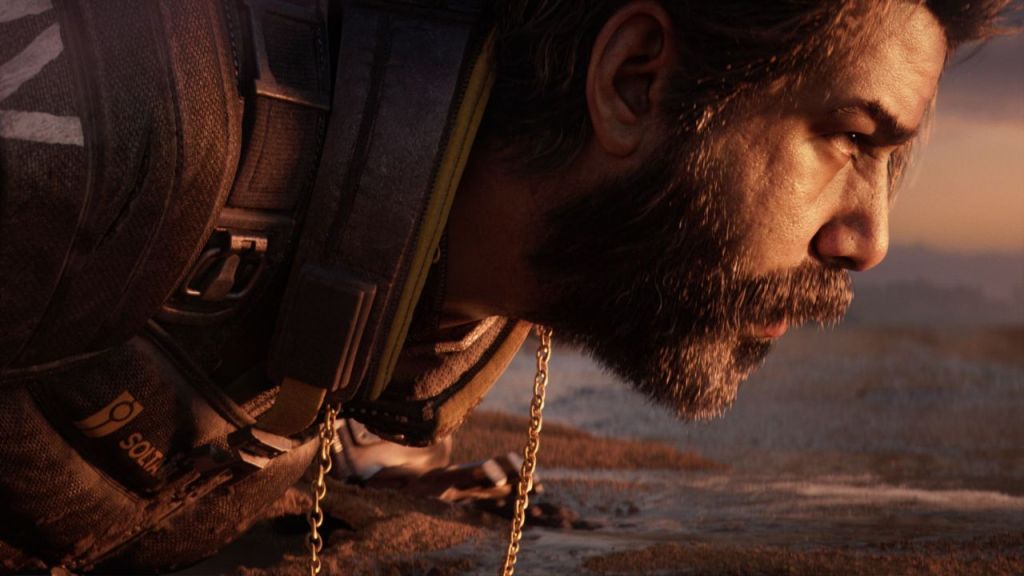
Saros is atmospheric, clever, and just unsettling enough to feel like it belongs in the House’s library of oddities. But this isn’t about Saros. Not yet, at least. A full feature may emerge later (the Housekeeper is still taking notes and muttering about “mechanics” and “narrative cohesion,” as if anyone asked).
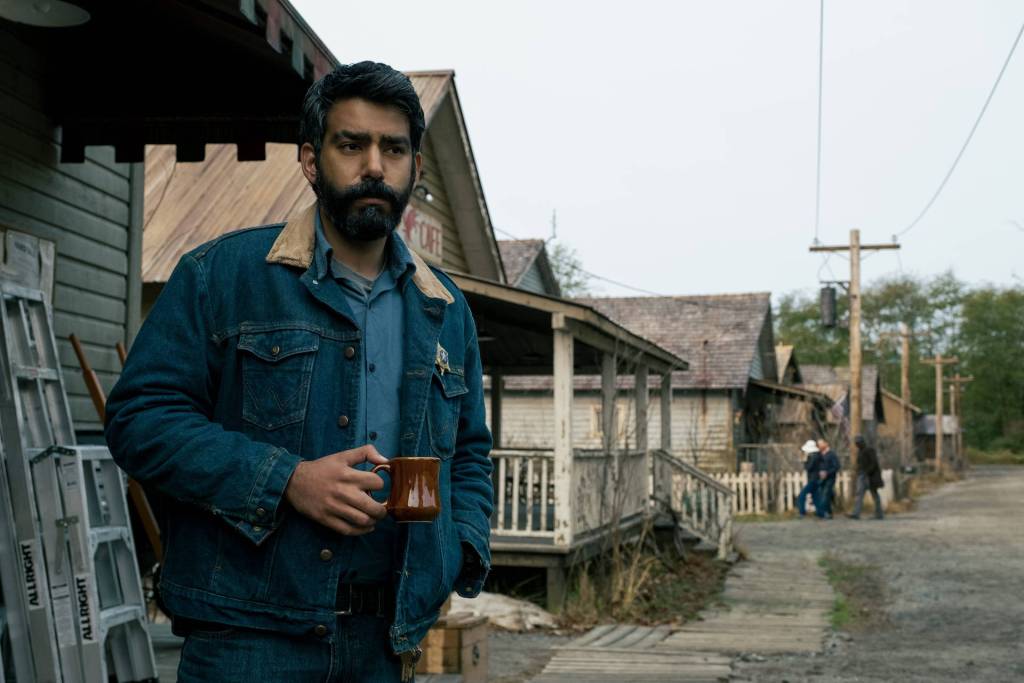
This particular possession was triggered by Saros’ lead actor, Rahul Kohli, or, as many of us first knew him, Sheriff Hassan from Midnight Mass.
And just like that, Saros faded into the background (for now at least) and we were back on Crockett Island, remembering why Midnight Mass hit so hard in the first place.
If there’s one thing Mike Flanagan does better than almost anyone working in horror today, it’s building worlds full of people you care about long before anything supernatural happens. He’s a director who treats the genre like a seasoning, not the meal. The ghosts matter, sure, but the humans matter more.
For all its supernatural dressing, Midnight Mass was exactly that. Never really about the horror. It was about the people. Flawed, hopeful, grieving, stubborn people trying to make sense of the world and their place in it. It was about faith as comfort and faith as weapon. About the stories we tell ourselves to survive, and the ones we cling to long after they’ve stopped serving us.
Part of what makes his worlds feel so lived‑in is his unofficial repertory company. Flanagan has favourites, and he’s not shy about it. Rahul Kohli, Kate Siegel, Henry Thomas, Samantha Sloyan, Carla Gugino. They drift from one project to the next like familiar constellations.
Actors who can anchor a scene simply by listening, which is essential in a Flanagan production, because sooner or later someone is going to launch into a ten‑minute monologue about faith, death, addiction, the cosmos, or the nature of being alive.
You spot them and immediately know you’re in a Flanagan story: thoughtful, character‑driven, emotionally ambitious, just a little bit devastating, and nothing short of exceptional.
In short, Midnight Mass is seven hour‑long episodes. Just enough to ruin you emotionally without taking over your entire week. Nestled between The Haunting of Bly Manor (2020) and The Midnight Club (2022), it’s the perfect entry point if you’ve got a bit of time on your hands and want to commit yourself to Netflix and immerse yourself in all the wonders Mike Flanagan has to offer (which The House highly encourages you do).
For all the talk of horror, angels, miracles, and monsters, it’s really a story about us. About what we believe, what we fear, what we forgive, and what we can’t. It’s a rare piece of television that trusts its audience to sit with big ideas, long conversations, and characters who feel painfully, beautifully real.
Midnight Mass (and honestly, all of Flanagan’s shows) are the kind that stay with you long after the credits roll. The kind that resurface years later because you caught a familiar face in a completely different project and suddenly remembered how deeply it moved you.
So if you somehow missed it the first time, or if you’ve been meaning to revisit Crockett Island but haven’t quite made the trip, consider this your sign. Midnight Mass is extraordinary. Thoughtful, unsettling, humane, and absolutely worth your time.
Go watch it. Let it haunt you in the best possible way.


Leave a Reply